 English
  Tiếng Việt
 Study on solutions to attract investment in power projects through adjustments to financial discount rates and depreciation methods based on the Regulation Asset Base (RAB) mechanism
.jpg)
RCEE has been assigned to conduct a study titled “Solutions to attract investment in power projects through adjusting financial discount coefficient (depreciation) to promote Vietnam's Energy Transition process”. The objective is to refine the legal framework and policy mechanisms to support the energy transition process in Vietnam
The
Project “Promoting the transition of the energy sector in Viet Nam” (TEV),
funded by the German Federal Ministry for Economic Cooperation and Development
(BMZ) and coordinated by Electricity Authority of Viet Nam- Ministry of
Industry and Trade (EAV/MOIT). The Project aims to support the development of
a long-term energy transition strategy for Vietnam, including fundamental legal
and regulatory principles, as well as strengthening technology and knowledge
transfer to MOIT. Under the framework of the TEV project, RCEE has been
assigned to conduct a study titled “Solutions to attract investment in power
projects through adjusting financial discount coefficient (depreciation) to
promote Vietnam's Energy Transition process”. The objective is to refine the
legal framework and policy mechanisms to support the energy transition process
in Vietnam.
"During the implementation process, RCEE experts has conducted a review and analysis of Vietnam's current legal framework related to methods for determining electricity generation and transmission service tariffs, as well as incentive mechanisms to promote investment in renewable energy development. In parallel, the Project carried out field surveys at two wind power plants: Phuong Mai 3 Wind Power Plant and Thai Hoa Wind Power Plant.
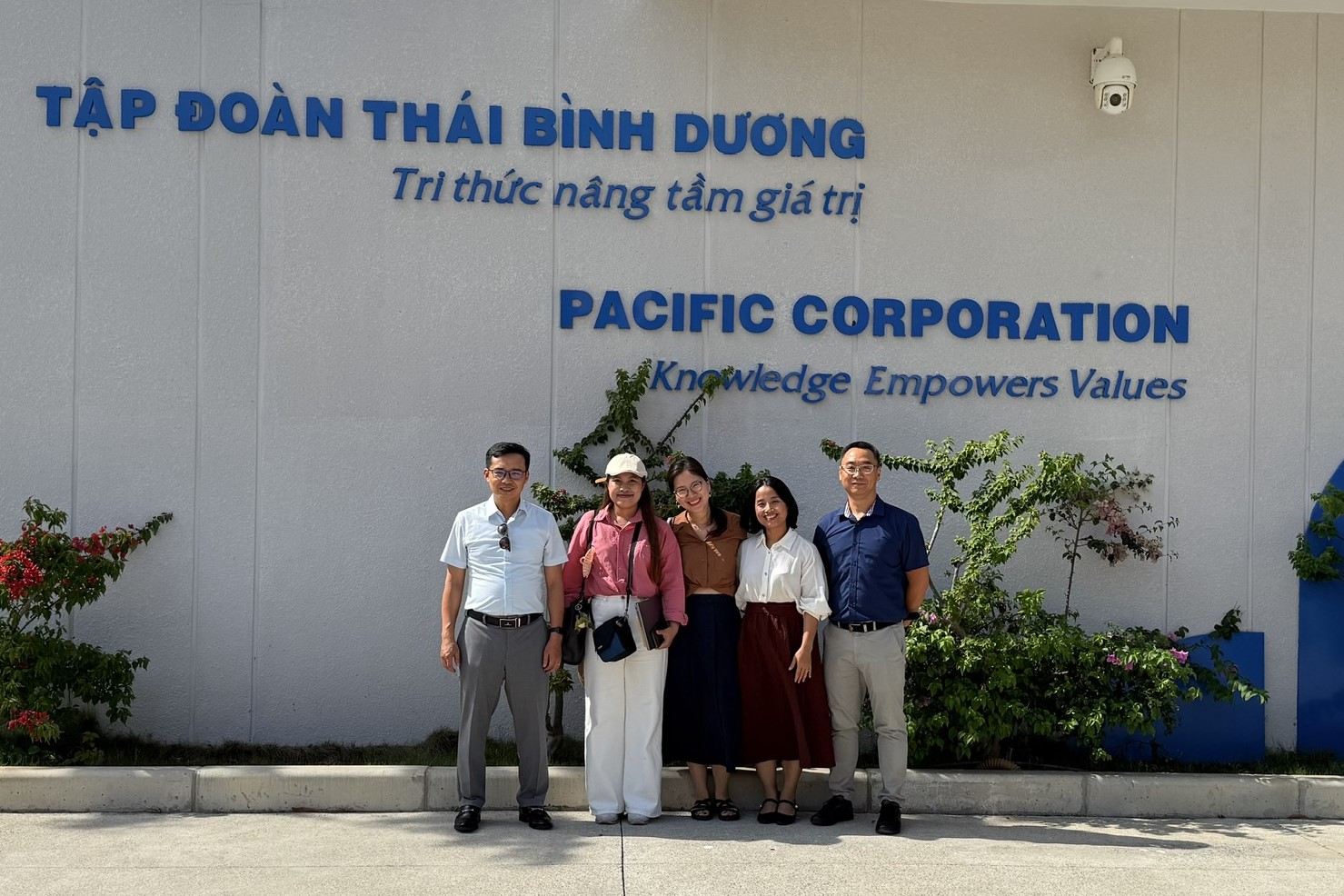
Photos of working sessions at Thai
Hoa Wind Power Plant
The
working team conducted site visits and interviews with representatives of the
power plants to identify difficulties and challenges in attracting and
implementing investments in renewable energy projects, with a particular focus
on analyzing the financial mechanisms and cost determination methods currently
being applied.
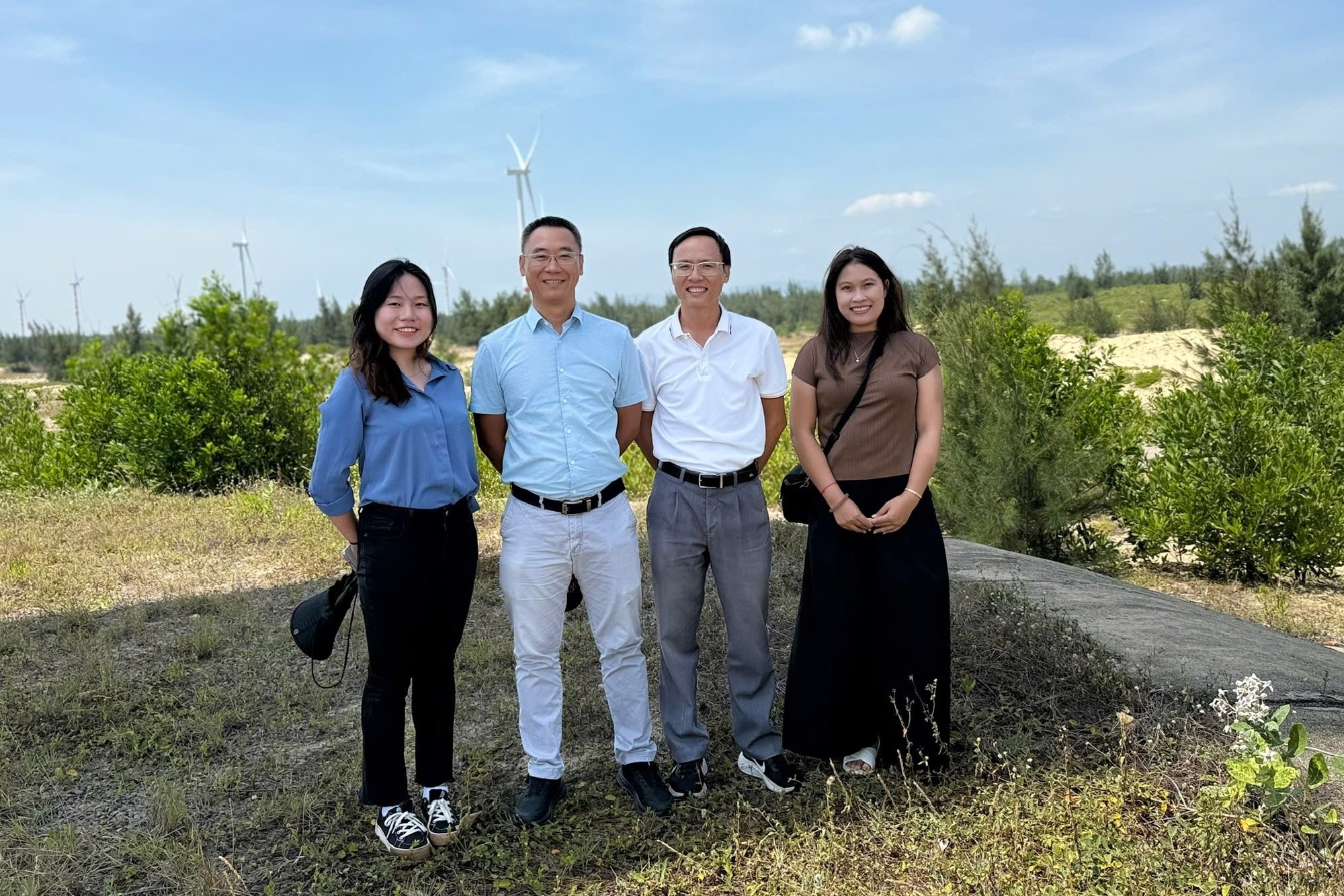
Photos of working sessions at
Phuong Mai 3 Wind Power Plant
Under
current regulations, the depreciation method used in determining electricity
tariffs and tariff frameworks in Vietnam is still primarily based on the
depreciation method stipulated in Circular No. 45/2013/TT-BTC issued by the
Ministry of Finance. In practice, many assets continue to be operated and
utilized even after the end of their prescribed depreciation period, resulting
in electricity prices over the long term that do not accurately reflect the
economic value of the assets. This creates challenges in optimizing costs and
harmonizing the interests of market stakeholders, including investors,
regulators, and electricity consumers.
Meanwhile,
in several countries such as Australia, China, Germany, the United States, and
Denmark, the “Regulated Asset Base” (RAB) mechanism is widely applied in the
determination of electricity transmission tariffs. Under this mechanism, asset
depreciation periods and cost allocation are more closely aligned with the
actual economic life of the assets, thereby contributing to long-term
electricity price stability, reducing investment risks, and ensuring the
interests of consumers.
Based
on an assessment of Vietnam’s current legal framework and a synthesis of
international experience, RCEE’s energy experts has developed and proposed a
number of recommendations with the expectation of creating a more transparent,
stable, and attractive investment environment for power projects, particularly
renewable energy projects, in the course of the national energy transition.