 English
  Tiếng Việt
 Launching the Vietnam - Korea Eco-Innovation Programme: Promoting Green Transition for Vietnamese Enterprises
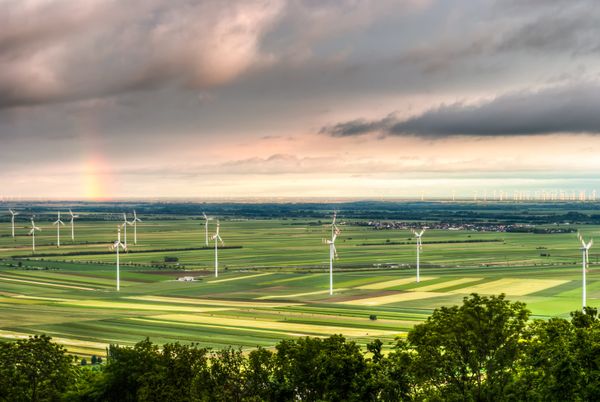
As Viet Nam advances its commitment to achieving net-zero emissions by 2050 and accelerates the development of its domestic carbon market, strengthening greenhouse gas (GHG) management and promoting green transition have become increasingly important for the business community, particularly for manufacturing and export-oriented enterprises.
To support Vietnamese
enterprises in meeting the growing requirements for ESG compliance, carbon
emissions reduction, and sustainable competitiveness, the "Eco-Innovation
and Capacity Building Programme for Vietnamese SMEs" has been launched through
the collaboration of the Ministry of Agriculture and Environment (MAE), the
Department of Climate Change (DCC), the Asia-Europe Environment Forum (ASEIC),
ECOEYE Co., Ltd. (Republic of Korea), and RCEE Joint Stock Company acts as the
coordinating unit for implementation in Vietnam.
As part of the programme's initial phase, from 24 to 29 June 2026, a joint delegation from ECOEYE and RCEE conducted on-site assessments at 05 manufacturing enterprises operating in the garment, plastic packaging, food processing, and beverage sectors. The visits focused on evaluating current energy consumption, greenhouse gas management practices, the level of preparedness for green transition, and the demand for low-carbon technologies and emission reduction solutions.
During the site visits, the
delegation also introduced the Eco-Innovation Programme and shared the Republic
of Korea's experience in greenhouse gas management, carbon market development,
and the implementation of carbon reduction projects. The programme aims to
support enterprises in establishing GHG data management systems, improving
energy efficiency, and gradually adopting practical emission reduction measures
tailored to their production processes.
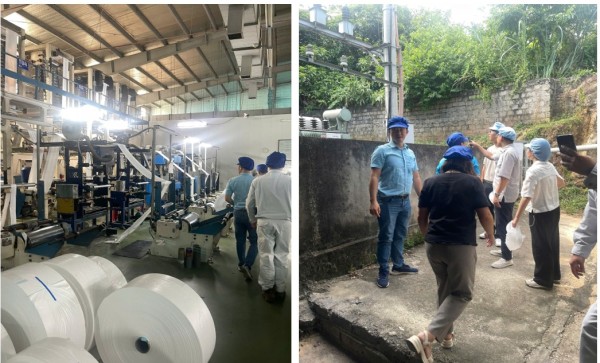
A delegation from ECOEYE and RCEE conducted site visits and assessments at enterprises
The preliminary assessment
indicates that participating enterprises are highly interested in green
transition and are seeking support for greenhouse gas inventories, Energy
Management Systems (EMS), rooftop solar power, energy efficiency improvements,
and other low-carbon technologies to meet the sustainability requirements of
international customers. However, most enterprises have yet to establish
comprehensive GHG data management systems, highlighting significant opportunities
for further capacity building and technical support.
Following the assessment
phase, the project partners will continue to consolidate enterprise data,
identify suitable pilot participants, and strengthen collaboration between
Vietnamese enterprises and Korean climate technology providers. Through this
initiative, Vietnamese SMEs are expected to gain greater access to advanced
technologies, improve energy performance, reduce greenhouse gas emissions, and
enhance their competitiveness as the global economy continues its transition
toward low-carbon and sustainable development.